Why Moving a Ski Association’s Website from WordPress to Webflow Was the Right Decision
TL;DR
- Why the move? SLOSKI needed a website that was easier to manage, with less reliance on WordPress plugins and ongoing software maintenance.
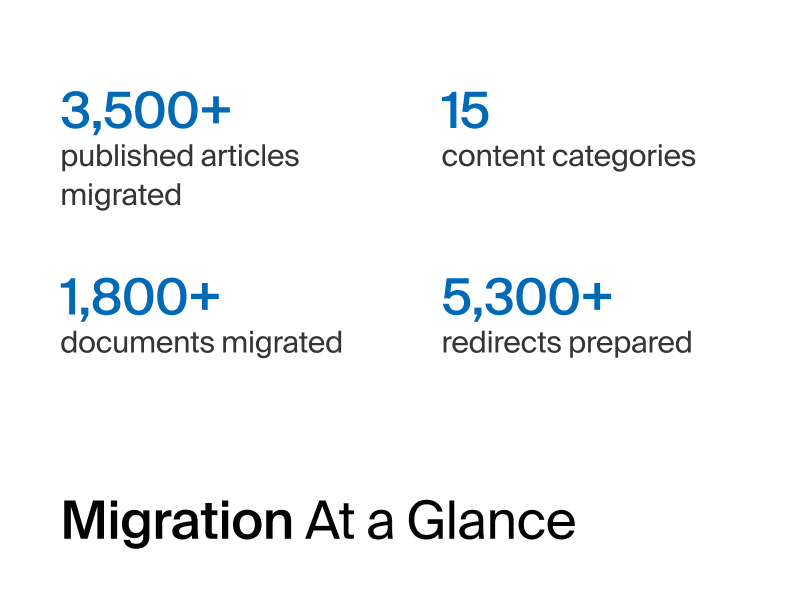
- What we migrated: Around 3,500 articles across 15 categories, along with years of documents, images, videos, and competition content.
- Preserving existing links: We prepared approximately 5,300 redirects to help visitors find content through familiar URLs.
- Making publishing easier: A structured Webflow CMS, consistent page layouts, and editor training gave SLOSKI's team a simpler way to manage content independently.
- The long-term benefit: Less software maintenance, a more consistent publishing experience, and a platform better suited to SLOSKI's needs. Recent PHP security vulnerabilities further reinforced the value of the decision.

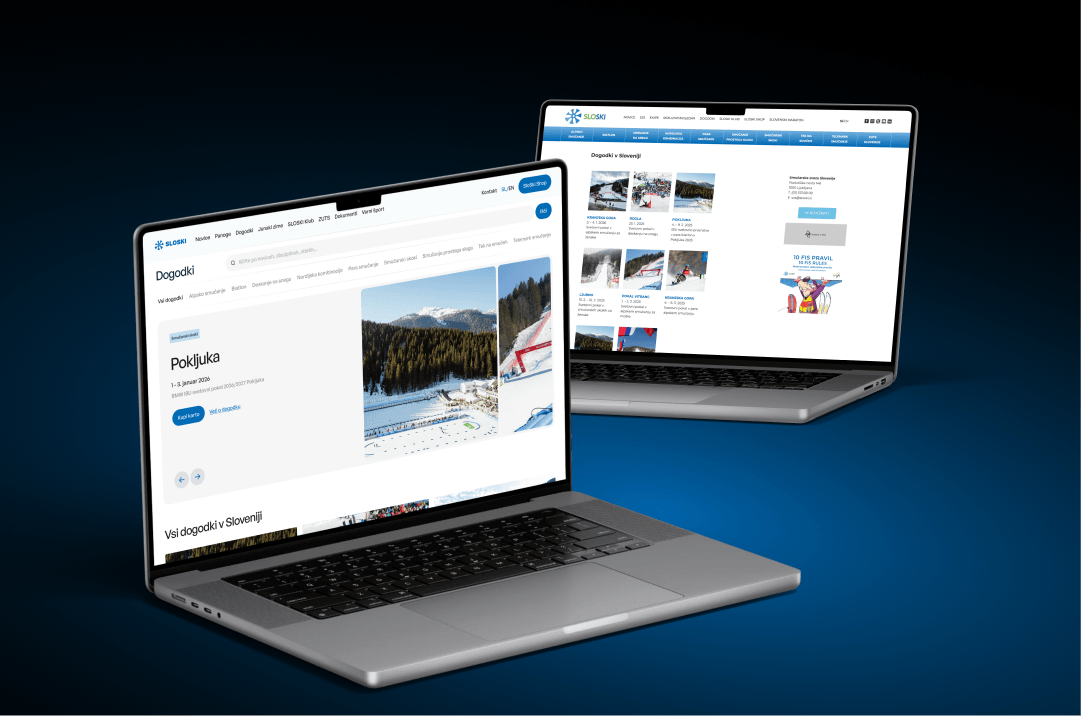
Long before the recent PHP security flaws came to light, Povio and SLOSKI, the Ski Association of Slovenia, had already planned a WordPress to Webflow migration for the organization’s main website. The goal was straightforward: make a busy website easier to manage and reduce the work needed to keep it running. We launched the new website on October 6, 2026.
On October 21, 2026, that decision gained fresh relevance. Two critical security flaws were disclosed in PHP, the technology WordPress runs on. Known as PHP2Shell, these flaws could allow attackers to take control of affected servers, prompting an urgent call to update. PHP security announcement
SLOSKI’s main website had already moved to Webflow. Its team no longer needed to maintain the old WordPress software for that site. The news reinforced one of the reasons behind the move: less software to look after and fewer updates for the website team to manage.
Getting there meant bringing years of news, documents, images, and videos into a new home. We needed to preserve the information people already relied on while making it easier for SLOSKI to publish the next article.
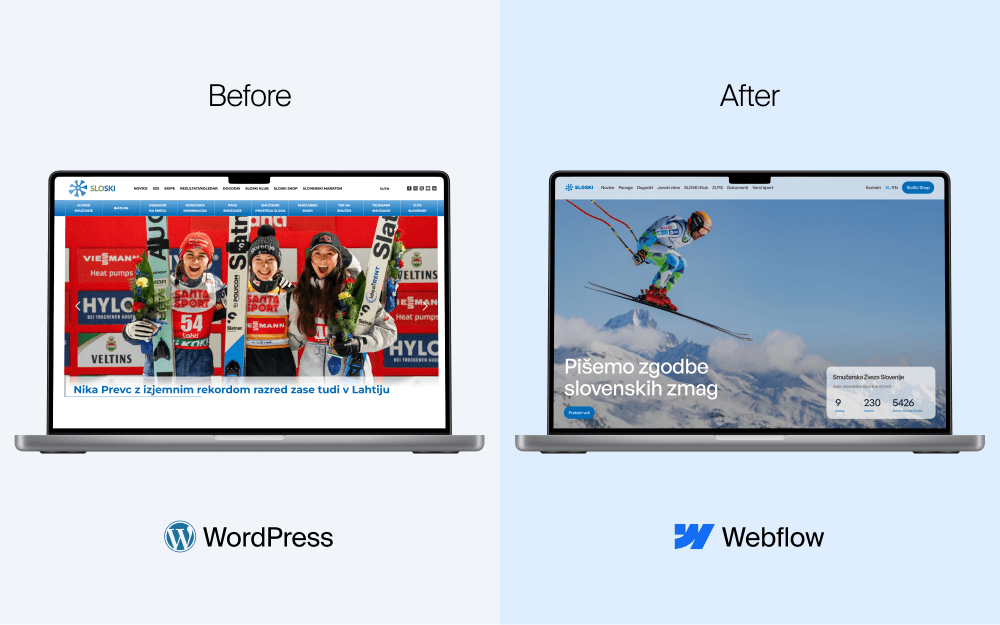
Planning the WordPress to Webflow migration
SLOSKI’s website brings together multiple sporting disciplines. Each has its own news, teams, contacts, sponsors, and documents. The organization also needs to communicate with fans, clubs, athletes, coaches, and the media.
Over time, the old WordPress website had come to rely on a page builder and numerous plugins for its features. We began by reviewing what people needed from the site, from finding news and competition results to browsing galleries and accessing documents.
The different sports shared many of the same needs. Webflow gave us a way to organize their content consistently, with dedicated areas for news, athletes, teams, events, and documents. Editors could update the information while shared page layouts kept its presentation consistent.
Bringing years of news to the new website
Moving the articles took more than copying text. Articles had been created in different ways over the years, and a basic transfer could lose parts of their layout, including photo galleries and result tables.
We built a process that brought those different article formats into Webflow, keeping the text and supporting material together.
Headings, image captions, galleries, videos, and results all needed attention. We flagged unfamiliar formats for review so that unusual content could be checked during the move.
The initial transfer covered around 3,500 published articles across 15 categories. Unpublished drafts stayed separate, and further work continued to expand and refine the archive.
Handling the transfer consistently also made corrections easier. When we found a recurring issue, we could fix it across the affected articles instead of editing each one by hand.
Keeping documents and media accessible
For a sports association, a competition document can be just as useful as a news article. A visitor arriving through an old link may be looking for a regulation, a result, or a training form.
We treated documents as a separate part of the move. Files needed to reach their new home, and links within articles needed to point to the right place.
We organized the new document library by details such as sport, season, date, and document type. This gave editors a consistent way to manage material across sports and seasons.
The original spreadsheet did not include everything on the old website. We compared it with the documents and pages already available to find missing files and duplicates. We also checked later batches of competition documents against the approved originals.
Photos and videos needed care too. The work included resizing oversized images, preserving captions, and making galleries, videos, and tables work within the new article pages.
The archive work continued after the main website launched. Moving in stages gave the team time to check additional content before making it public.
Helping visitors find what they need
People reach SLOSKI through search results, bookmarks, and links shared by clubs, athletes, and the media. Those existing routes mattered when we moved the website.
We kept the familiar names in article web addresses wherever possible and planned how old links would lead to the new pages.
We prepared approximately 5,300 redirects to send visitors from old web addresses to their new destinations. Around 1,800 of those covered links to documents.
We also added estimated reading times and prepared more consistent article descriptions. Editors now have a dedicated place to write the short descriptions that can appear in search results, along with guidance on organizing article headings.
Preparing editors for the next article
A successful migration also gives the publishing team a clear way to work after launch.
We provided instructions for preparing images and choosing featured articles. A training recording and an onboarding session covered editing content, working with images and files, reviewing changes, and publishing.
For example, editors can choose which article to feature for a particular sport, with the page layout handling how it appears. That gives the team a clear way to keep different parts of the website current.
Why the recent security news matters
The October security flaws affected PHP itself, the technology behind WordPress. Fixing an individual plugin would not have addressed the underlying problem.
Amazon’s security team reported attempted attacks as early as October 17, before the flaws were publicly disclosed, with more attempts around the release of the fixes. It was a reminder of how quickly website maintenance can become urgent. Amazon’s findings
Webflow manages updates to its hosted platform. For SLOSKI’s main website, that means the team no longer has to coordinate updates across the former WordPress software and its plugins. Webflow’s managed platform
The team still needs to manage account access and any connected services. Older WordPress archives or separate services also need their own maintenance. The move reduced the work involved in looking after the main website.
Why Webflow fit SLOSKI
Webflow gave SLOSKI a consistent way to organize its content and clear steps for publishing new material. The move brought together the archive, documents, media, old links, and editor training.
The PHP incident highlighted a benefit that matters long after launch: how much work a website asks of the people responsible for it.
SLOSKI’s decision was made well before that incident. It remains the right fit because it supports the association’s publishing needs while making its main website simpler to maintain.
Considering a WordPress to Webflow migration? Explore Povio’s Webflow development services or talk to our team about what your website needs to do and how your team uses it. We can help you choose the right platform and plan the move.